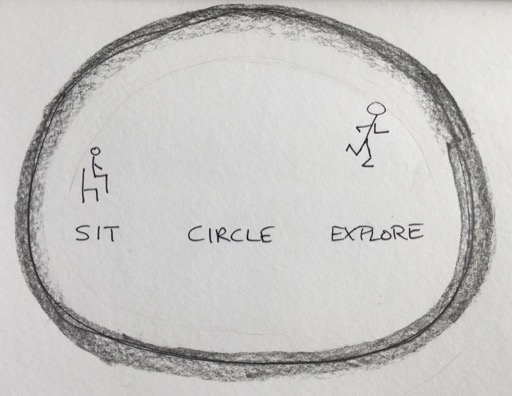
I did voice-overs of the Mind Program slides to give you the *gist* of what happened in these sessions. The focus is on discussing the curriculum more than instruction. In-a-nutshell these sessions introduce people to meditation. Since we were filling a class hour, or 90 minutes, I added in personal explorations and career planning content.... Continue Reading →
Entrepreneurship Talks Remixed
Here are a few of my entrepreneurship presentations in video form. Here is link to playlist. 1. Passion for Entrepreneurship. This is a short talk. It was professionally filmed. 2. Dating Skills for Engineers. A talk directed at undergrad engineers. 3. Entrepreneurship and You. A talk directed at undergrad engineers. This one is a bit long and cryptic. 4. Business... Continue Reading →
Fun with DNA Romance (The Dating App)

I've been having a lot of fun with DNA Romance. I've been learning about DNA and the Dating industry. I first met DNA Romance founder Dr. Timothy Sexton in an entrepreneurship class at the University of British Columbia. Back then he was a "DNA Entrepreneur" working on the breeding of trees. Today he's using genetics... Continue Reading →
Extremely Useful — Golf Videos for Putting and Chipping
The world is falling apart, and so I'm gonna talk golf. Here are 4 beautiful videos that illustrate the key points for putting and the basic chip/pitch. This is for the people who've asked me for short game advice which I acquired during my "golf dad" days. That is I watched a lot of short... Continue Reading →
2020 Year End Lists – Music
Here is my year-end music list for 2020. My two favorite albums were Michael Franti's feel good album "Work Hard and Be Nice", and Fontaines D.C. powerful Irish Punk "Dogrel". The light and the dark! Beautiful. I also played a lot of Waxahatchee and Beth Orton. A couple of live albums got my attention. The... Continue Reading →
 Iain's Chips & Tech